The longer read
Why the drops category earned a second look
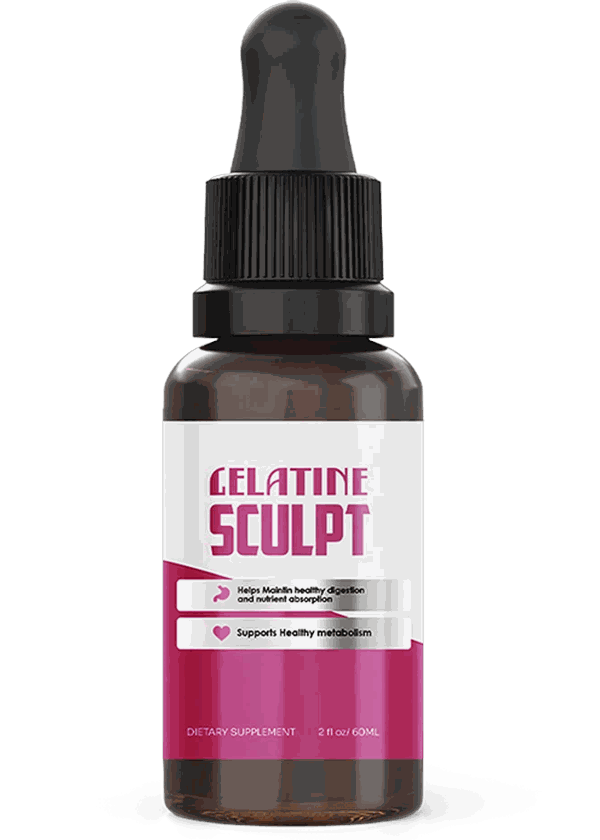
Liquid supplements used to be the eccentric cousin of the industry. That changed as buyers got tired of capsule fatigue and started paying attention to how a routine feels at 7am. A dropper takes five seconds, needs no water, and its taste tells you immediately that you actually took it. For people who have quietly abandoned three different capsule bottles in a drawer, that feedback loop matters more than any ingredient chart. Gelatine Sculpt leans into this: the gelatine base was chosen to make the liquid pleasant rather than medicinal, and the once-daily schedule respects the fact that nobody wants a mid-afternoon supplement appointment.
Why distribution runs through one authorized portal
When a formula gets attention, marketplaces fill with bottles nobody can trace. Some are expired stock resold at a discount; some are outright copies wearing the label. The manufacturer's answer is structural rather than rhetorical: route the entire 2026 production cycle through a single portal, publish the batch record where every buyer can read it, and let each customer compare the lot number in their hand against the current certificate. It is the same logic a pharmacy applies to cold-chain medicine, scaled to a supplement. It also means the guarantee is enforceable, because every order in the system is one the maker actually shipped. The bottle check page walks through the six-step confirmation, and the lab testing page explains what Kelmore Analytical Sciences screens on every run.
Folding the drops into a sensible routine
The directions are short: fill the dropper, take one to two full droppers in the morning, ideally before breakfast, swallow. Consistency beats intensity, which is why the maker asks for 30 days before you judge the effect and backs the request with a 60-day window on your money. Reviewers who report the clearest changes tend to pair the drops with unglamorous basics, a protein-forward breakfast, walks, regular sleep. None of that is revolutionary, and that is rather the point: the product is positioned as support for the body's own signalling, not as a license to ignore it. If you take prescription medication, especially for blood sugar or blood pressure, show the label to your clinician first; berberine in particular deserves that conversation.[3]